The mitral valve is located in the left side of the heart. It maintains the flow of blood in one direction from the atrium to the left ventricle,...
Atrial fibrillation surgery
Related topics
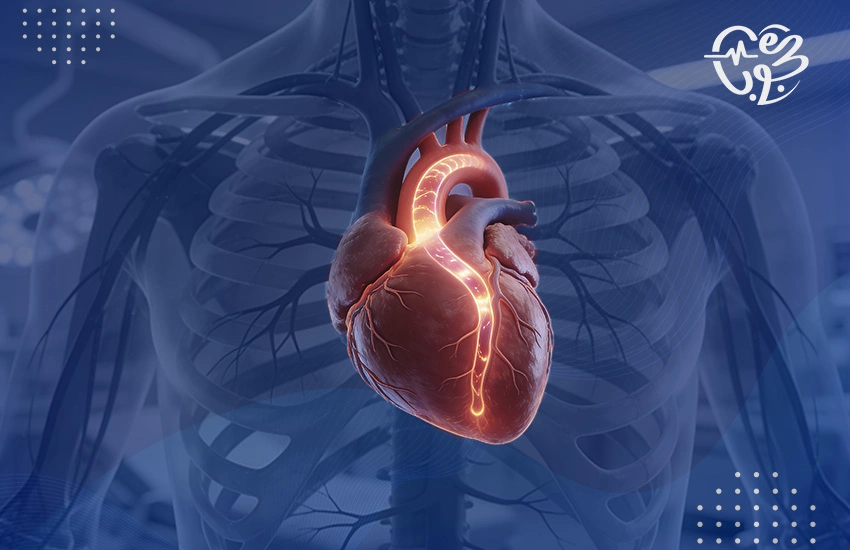
Atrial fibrillation is a common heart condition, particularly among people over 65 years of age, or those with high blood pressure or obesity.
Atrial fibrillation causes a number of symptoms that affect a person’s overall health, most notably rapid heartbeat, chest pain, and shortness of breath, in addition to fainting and dizziness.
To treat this condition, doctors resort to atrial fibrillation surgery. How does the procedure work? How long does it take? And when can the patient resume their daily activities afterward? Continue reading to find detailed answers to these questions.
Reasons for Atrial Fibrillation Surgery
Atrial fibrillation occurs due to a malfunction in the electrical activity of the two upper chambers of the heart (the atria), affecting the rate of blood flow to the ventricles, causing them to not function properly.
In this condition, the ventricles contract at an irregular rate, leading to a rapid heartbeat ranging between 100 and 175 beats per minute, even though the normal resting rate is 60-100 beats per minute.
Therefore, atrial fibrillation surgery must be performed to regulate the electrical signals sent by the atria, and thus restore the heart rate to normal.
The Importance of Early Atrial Fibrillation Surgery
The patient should undergo atrial fibrillation surgery as soon as the diagnosis is confirmed, to avoid its complications, the most common of which are heart failure and stroke.
The incidence of stroke increases in patients with atrial fibrillation if they suffer from one of the following conditions:
- High blood pressure.
- Diabetes.
- Valveal Diseases.
For the surgical steps to proceed smoothly without exposing the patient to any health risks afterward, it is essential to prepare well.
How to Prepare for Atrial Fibrillation Surgery
The steps for preparing for atrial fibrillation surgery include the following:
Success Rate of Atrial Fibrillation Surgery
Atrial fibrillation catheterization is a highly successful and effective surgical procedure, with a success rate of up to 80%, especially if performed by a skilled and experienced cardiac surgeon specializing in minimally invasive procedures, and if the patient strictly adheres to their instructions throughout the recovery period. This also protects them from the potential risks of surgery.
Complications of Atrial Fibrillation Surgery
Serious complications are rare with atrial fibrillation catheterization. It is a safe procedure, but sometimes a group of patients may experience the following afterward:
Following these complications, several abnormal symptoms appear in the patient. What are they?
Symptoms that require immediate medical consultation after atrial fibrillation surgery
Some symptoms require immediate medical consultation after atrial fibrillation surgery. Among the most important are: